

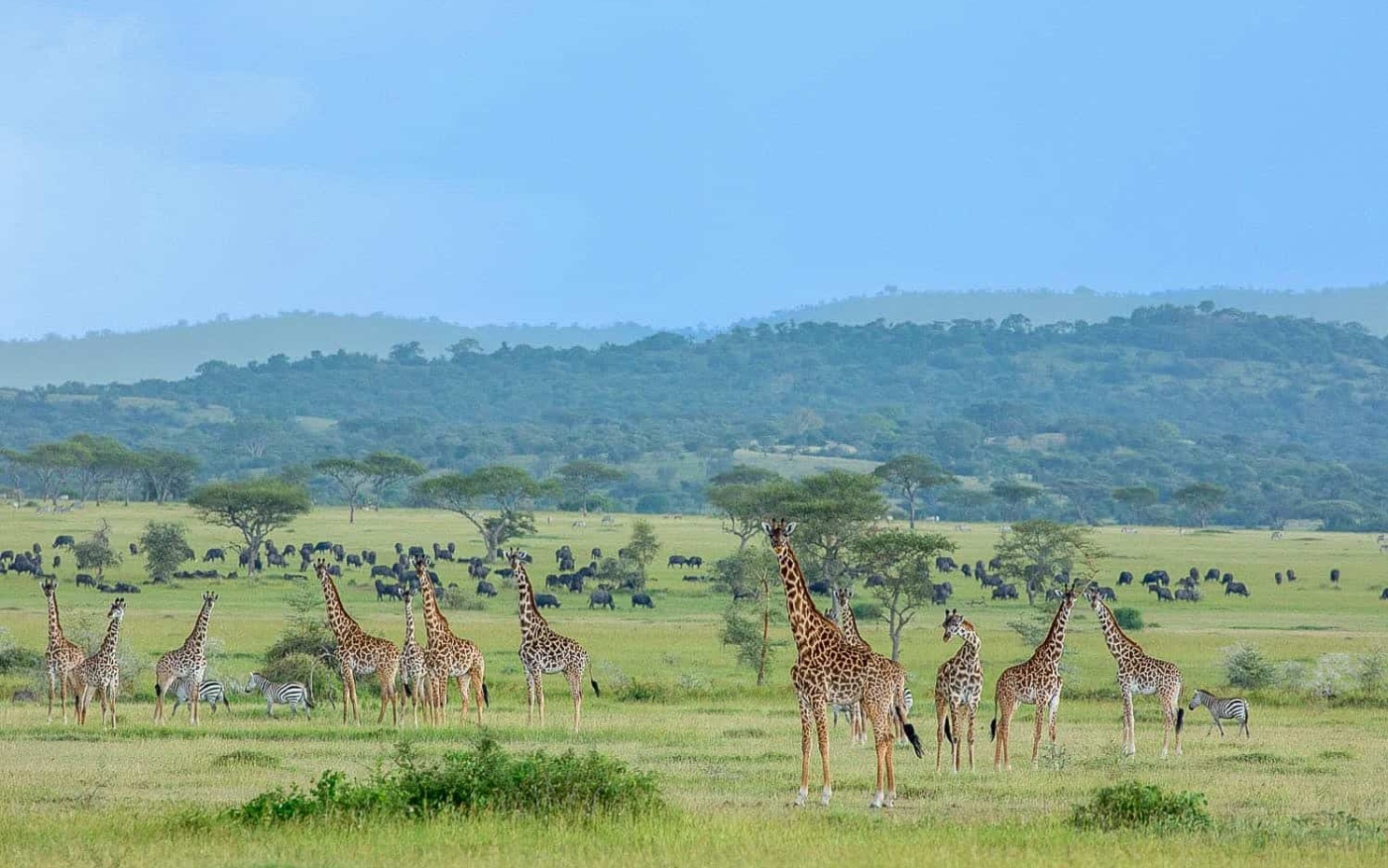
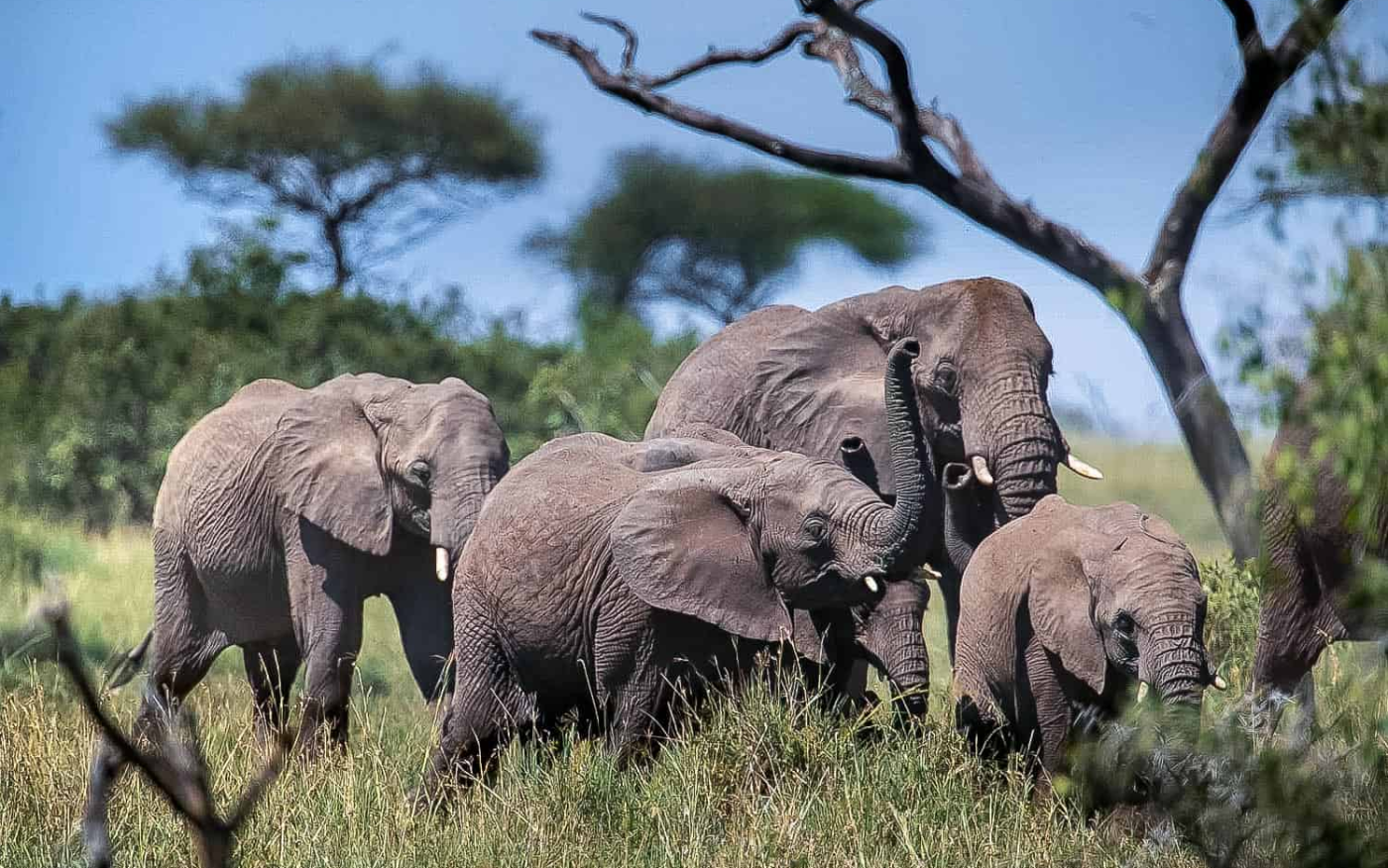
In northern Tanzania, where golden grasslands stretch endlessly beneath a vast African sky, lies Serengeti National Park, one of the most extraordinary places on Earth. This UNESCO World Heritage Site is not simply a destination, but a living masterpiece of nature, where every sunrise reveals a new rhythm of life and every sunset paints the horizon in shades of gold and crimson.
The name Serengeti comes from the Maasai word “Siringet,” meaning “the endless plains.” And indeed, the plains seem endless, providing the stage for the Great Migration, one of the world’s most spectacular natural phenomena.
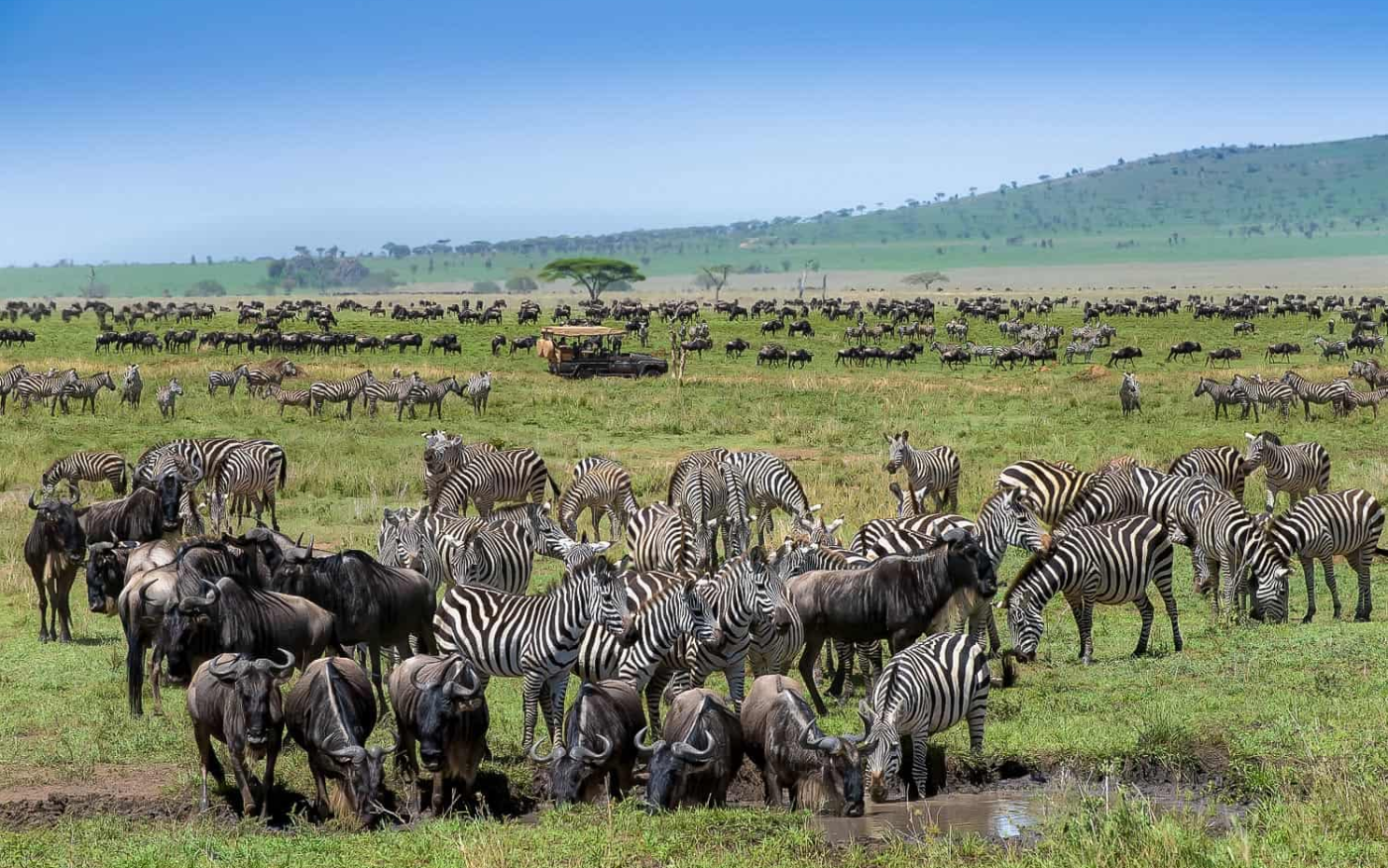
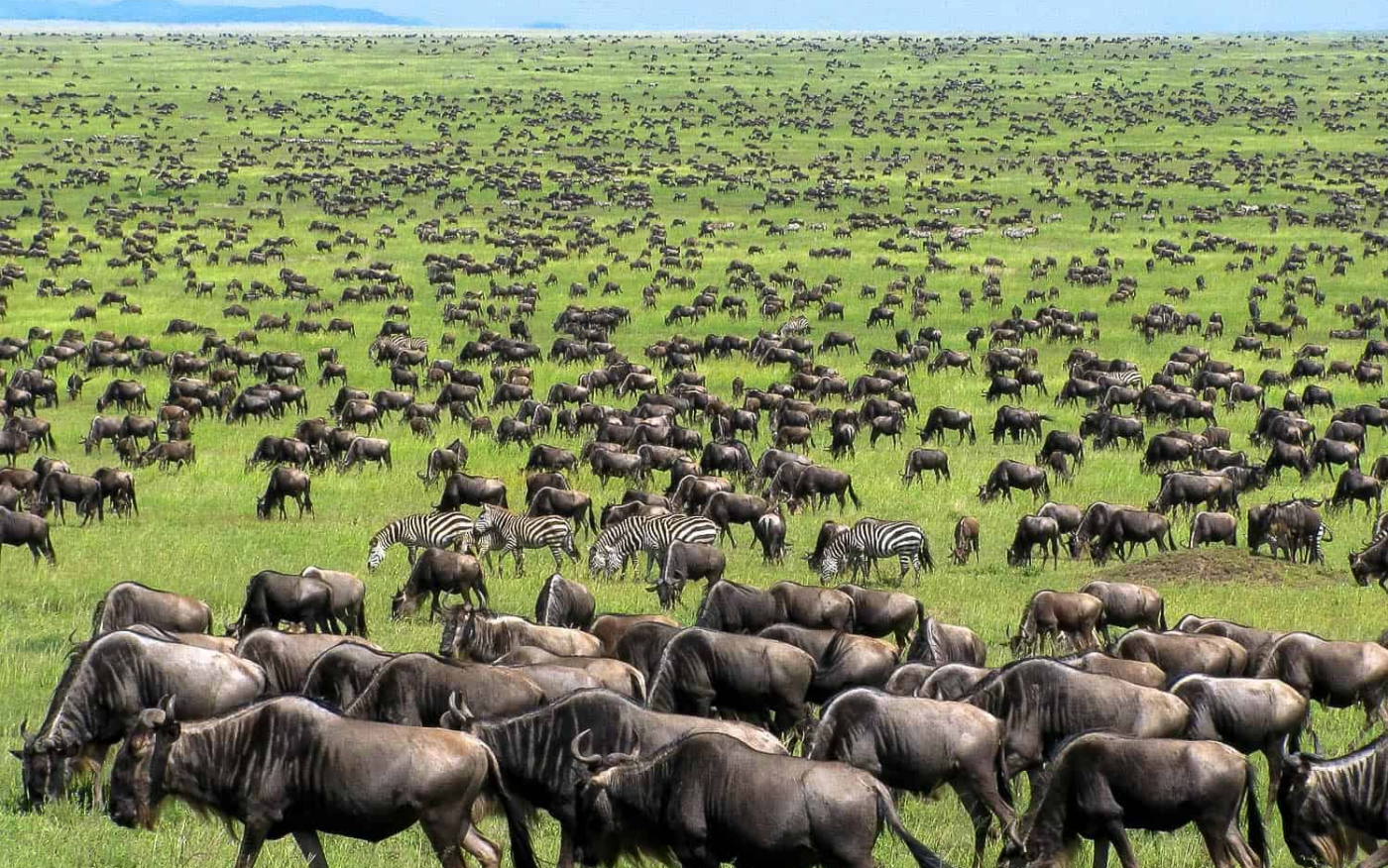
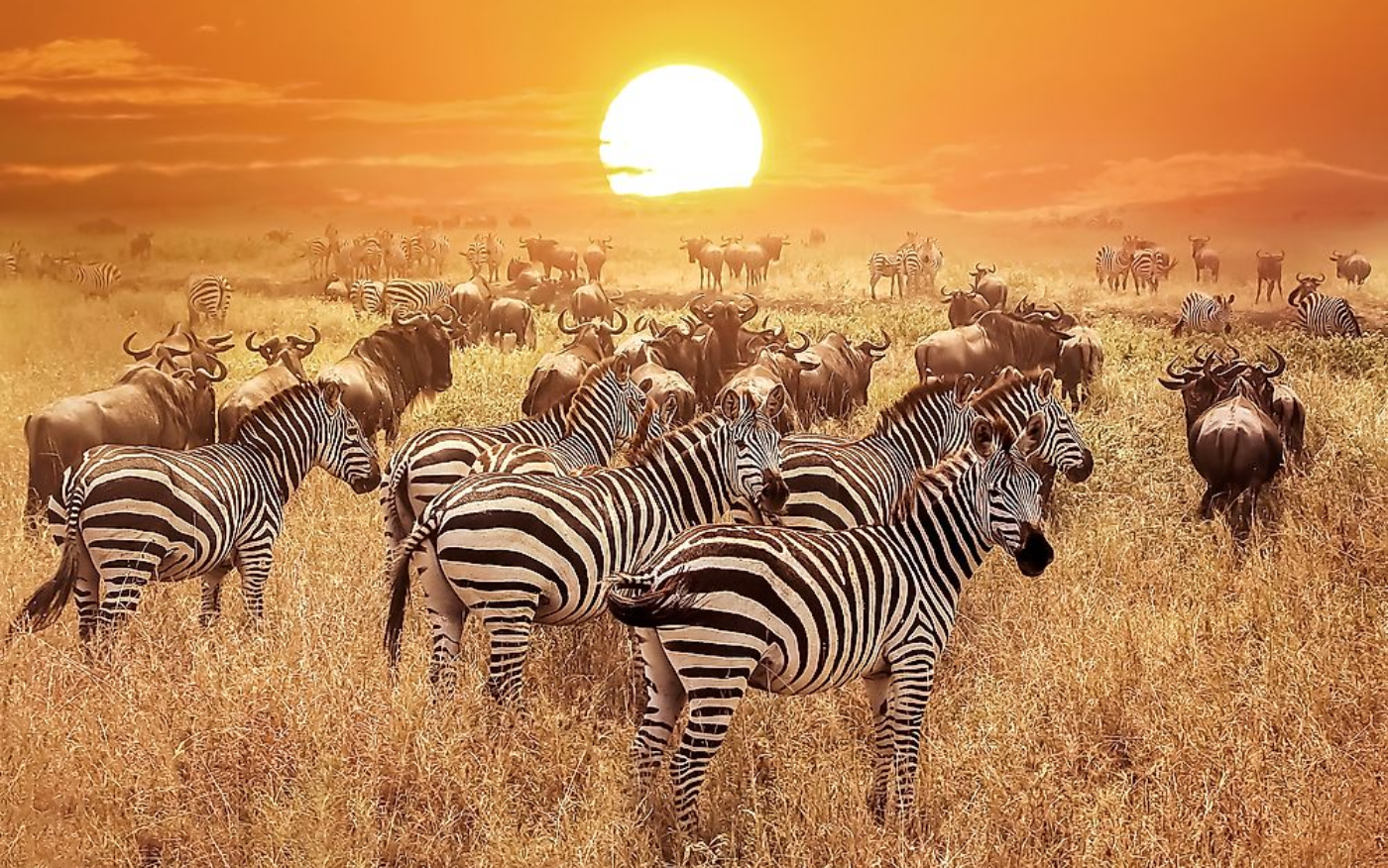
Each year, more than 1.5 million wildebeest, together with hundreds of thousands of zebras and gazelles, embark on a vast circular journey across the Serengeti in search of fresh pastures and water. It is an eternal cycle of life and renewal, followed closely by powerful predators such as lions, cheetahs, and hyenas, creating one of the most dramatic wildlife spectacles on Earth.
January – March: Calving season in Ndutu, in the southern Serengeti. Thousands of wildebeest calves are born across the lush short-grass plains.
April – June: The herds move westward toward the Grumeti River, where crocodiles wait in the waters.
July – October: The Northern Serengeti becomes the stage for spectacular Mara River crossings, as the herds face powerful currents and predators along their journey.
November – December: The rains call the herds back toward the south, completing the great cycle of migration.
Wherever you find yourself in the Serengeti, the story of nature unfolds directly before your eyes.
There is no wrong time to visit the Serengeti, only different chapters of the same extraordinary story.
June – October: Dry season, clear skies, and excellent opportunities for wildlife viewing.
November – December: Short rains bring the plains back to life, creating lush green landscapes and beautiful conditions for photography.
January – March: Calving season, ideal for witnessing newborn animals and intense predator activity.
April – May: Green season, with fewer visitors and peaceful, vibrant landscapes.
Average temperatures generally range from around 14°C at night to 27°C during the day, creating comfortable conditions for safari throughout much of the year.
The Serengeti is located approximately 320 km from Arusha, the main gateway to Tanzania’s northern safari circuit.
By air: The most convenient route is via Kilimanjaro International Airport or Dar es Salaam, followed by connections to Arusha and then flights to local Serengeti airstrips such as Seronera, Kogatende, Ndutu, or Grumeti.
By road: Overland journeys from Arusha or Ngorongoro offer spectacular scenery but can take approximately 6 to 8 hours depending on the route and road conditions.
To truly experience the Serengeti, we recommend spending at least 5 to 7 days.
This allows you to explore different areas, from the Central Serengeti, renowned for its predators, to Ndutu during calving season or Kogatende during the Great Migration. Most importantly, it gives you time to slow down, observe, and experience the unique rhythm of Africa.
5-Day Classic Serengeti Safari
Day 1: Fly to Seronera and enjoy an afternoon game drive.
Days 2–3: Explore the plains and kopjes of the Central Serengeti, known for its lion territories.
Day 4: Optional hot-air balloon safari followed by a sunset sundowner.
Day 5: Morning game drive and return flight to Arusha.
7-Day Great Migration Safari, July – October
Days 1–3: Central Serengeti for resident wildlife, predators, and dramatic scenery.
Days 4–6: Northern Serengeti and Kogatende for the spectacular Mara River crossings.
Day 7: Return flight.
7-Day Calving Season Safari, January – March
Days 1–3: Ndutu to witness newborn wildebeest and hunting predators.
Days 4–6: Seronera for year-round wildlife and expansive savannah landscapes.
Day 7: Departure flight.
Luxury Lodges
Four Seasons Safari Lodge Serengeti: Overlooking an active watering hole, combining comfort, elegance, and extraordinary wildlife experiences.
Singita Grumeti and Sasakwa Lodge: Exceptional privacy, refined design, and world-class safari guiding.
andBeyond Serengeti Under Canvas: A luxurious mobile tented camp that follows the migration routes.
Mid-Range Options
Kubu Kubu Tented Camp, Serena Safari Lodge and Lemala Ewanjan: Excellent locations for wildlife viewing, comfortable accommodation, and great value.
Adventure and Eco Camps
For travelers seeking a more intimate and authentic experience, eco-friendly tented camps offer a closer connection with nature while incorporating sustainable practices.
Book early: Especially during the Great Migration months from July to October.
Dress practically: Choose lightweight clothing in natural colors. Evenings can be cool.
Photography equipment: Bring extra batteries and a zoom lens, as the Serengeti is a photographer’s paradise.
Respect the wildlife: Always follow your guide’s instructions and observe animals from a safe and respectful distance.
Try a balloon safari: Floating above the Serengeti at sunrise is an unforgettable experience.
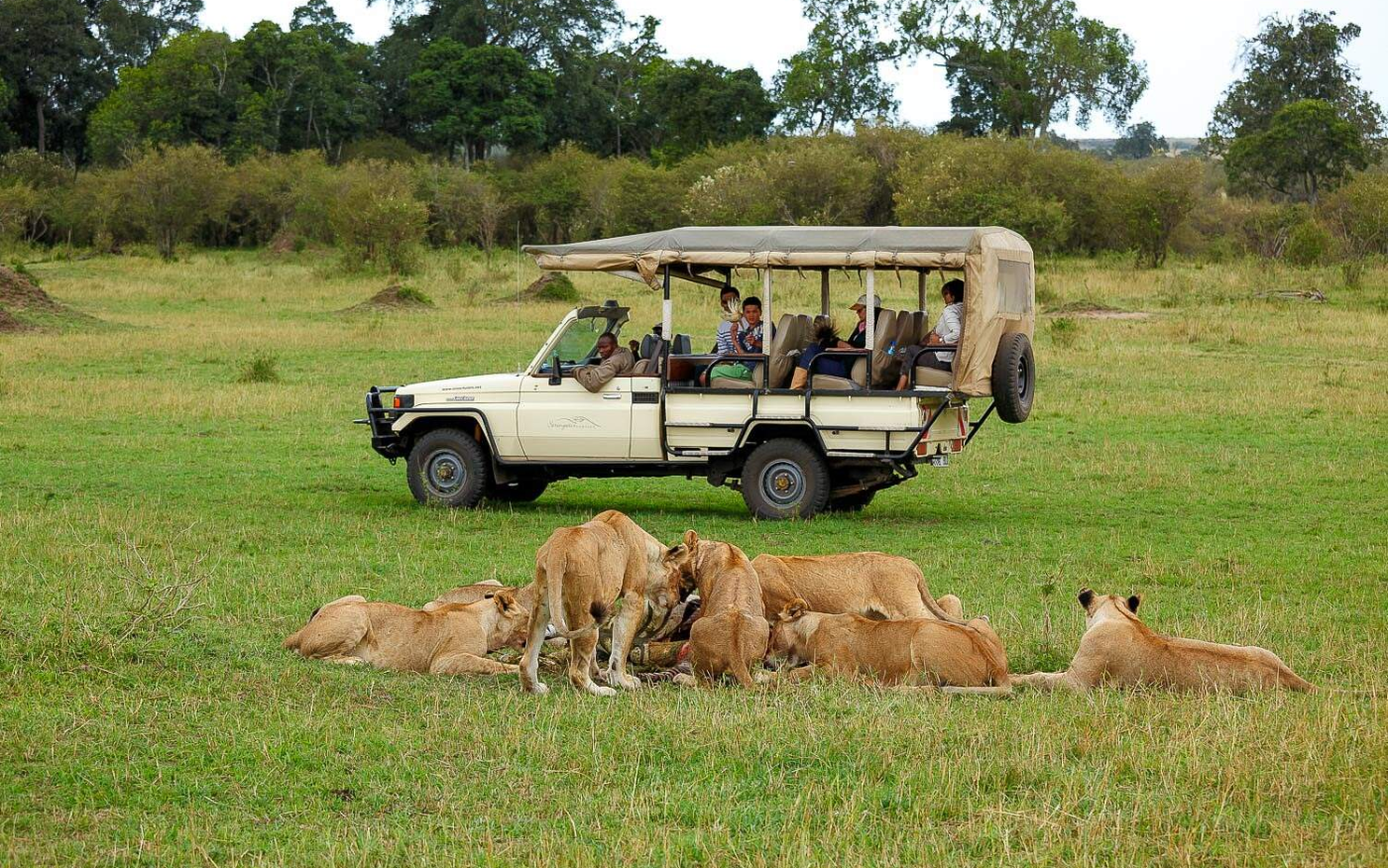
Transportation: Safaris are generally conducted in open 4x4 vehicles accompanied by professional guides.
Park fees: Fees may be paid according to the length of your stay or included in most safari packages.
Internet and connectivity: Wi-Fi can be limited in some areas, giving you the opportunity to disconnect from everyday life and fully immerse yourself in nature.
Health: Before traveling, consult your doctor regarding recommended vaccinations and malaria prevention measures.
From July to October in the Northern Serengeti, particularly for the Mara River crossings, or from January to March in the south during calving season.
We recommend at least 5 to 7 days to explore different regions and enjoy a relaxed safari experience.
Yes. Many lodges and camps welcome families and offer educational safari experiences for children.
Pack lightweight clothing in neutral colors, a hat, sunscreen, binoculars, a camera, and a light jacket for cool mornings and evenings.
The Central Serengeti is excellent throughout the year, Ndutu is ideal during calving season, while Kogatende is one of the best areas for witnessing the dramatic Mara River crossings.
Yes. A hot-air balloon safari is one of the most spectacular experiences available, offering breathtaking aerial views of the savannah and its wildlife.
Plan Your Serengeti Adventure with Liberty Travel Albania
Embark on a once-in-a-lifetime safari through the legendary Serengeti with Liberty Travel Albania, your trusted partner for luxury and tailor-made travel experiences.
Witness the Great Migration, stay in exclusive luxury lodges and camps, and discover the wild heart of Africa through carefully designed itineraries created around your preferences. Our team takes care of every detail, from flights and private transfers to accommodation, professional guides, and unforgettable safari experiences.
Whether you are planning a romantic escape, an adventure with friends, or an unforgettable family experience, Liberty Travel Albania will create your ideal journey into the heart of Africa.
Plan your Serengeti safari today and let Liberty Travel Albania take you on one of the most spectacular adventures of your life.
For more information about the Serengeti, visit the following website:
